


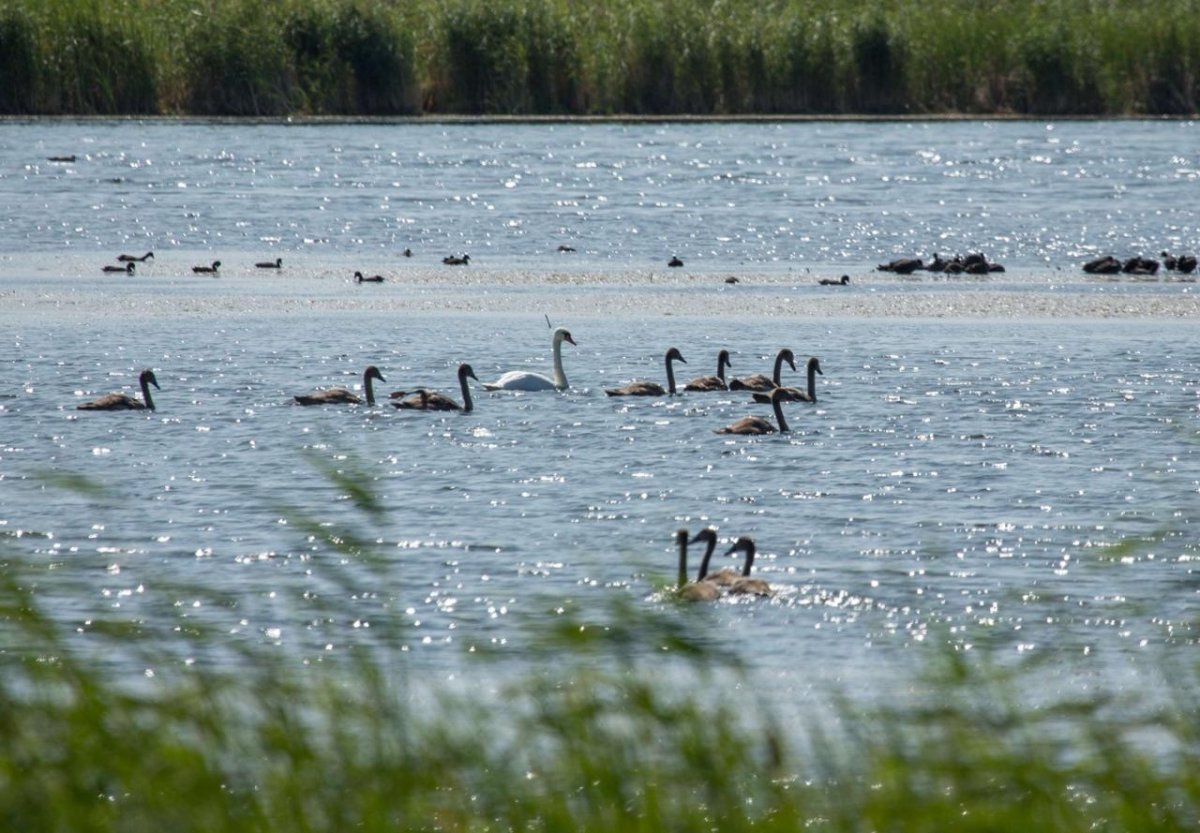
The rapid growth of Astana over the last decades placed it amongst the fastest-growing urban centers in Central Asia. However, this expansion opens more discussions regarding environmental consequences of fast urbanization. One of the most debated issues surrounds the lake system Taldykol, which is located within the center of new infrastructure. While environmental activists and researchers describe the lake as an important part of the natural habitat, supporters of urban development view it as an opportunity for future construction.
Since 1997, when Astana was declared the capital city, there has been increased attention and funding towards development. Even though this rise in infrastructure opens a different world for job opportunities and economic activity, we have to consider the other side of the coin. Prioritizing development over its effect on the environment has led to a decrease in green spaces and wetland throughout the city, which poses a significant risk to the future climate of the capital.
Wetlands are considered an important part of the ecosystem, especially in Central Asia. The region’s climate is categorized as highly-continental and semi-arid since it has a massive landmass and landlocked nature. One of the major advantages provided by lake systems such as Taldykol is their ability to absorb excess nutrients and draw down CO2 from the atmosphere. This is particularly important for the capital since air pollution levels have continued to rise in recent years. Additionally, wetlands serve other purposes such as regulating water cycles and supporting biodiversity. According to researcher Baigaliyeva Taldykol is home to over 300 terrestrial invertebrate species as well as 164 bird species. It also hosts a wide range of flora, comprising more than 90 plant species.
The environmental risk associated with the degradation of Taldykol brought the attention of many ecological activists. The non-governmental organization SOS Taldykol spread awareness about the destruction of the lake and managed negotiations with the authorities. In the past, activists gathered near the lake in protest and published several social media posts related to this issue.
One of the solutions proposed in order to save the ecological system was to build an ecopark that preserved the lake in its natural state. In 2022 the city administration introduced a plan on building the first urban natural park which would preserve the ecological systems of the steppe. However, as of 2026, the project does not appear to have made significant progress. The natural park was promised to be completed by 70% by the end of 2025. According to recent reports, the project was not completed as promised.
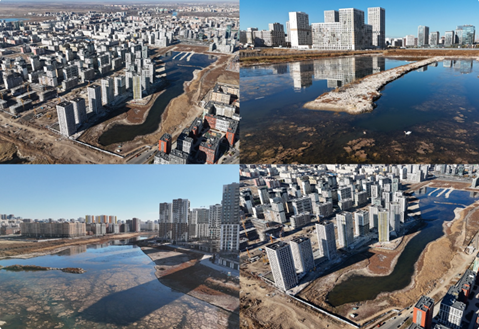
Autumn 2025. Image: Tengrinews.kz/Елизавета Аксёнова
Overall, the degradation of the lake is directly correlated with the urbanization of the city. Although several initiatives have been proposed in the past in order to improve the situation, the progress has remained limited. The future of Taldykol reflects a bigger challenge of balancing economic expansion with environmental sustainability.
Malika Asylbek
